The primer
A cloudy pool, a hidden platform and forty years of memory research.
How the Morris water maze is run, how to score a probe, the mistakes to avoid, and what labs did with it this autumn.
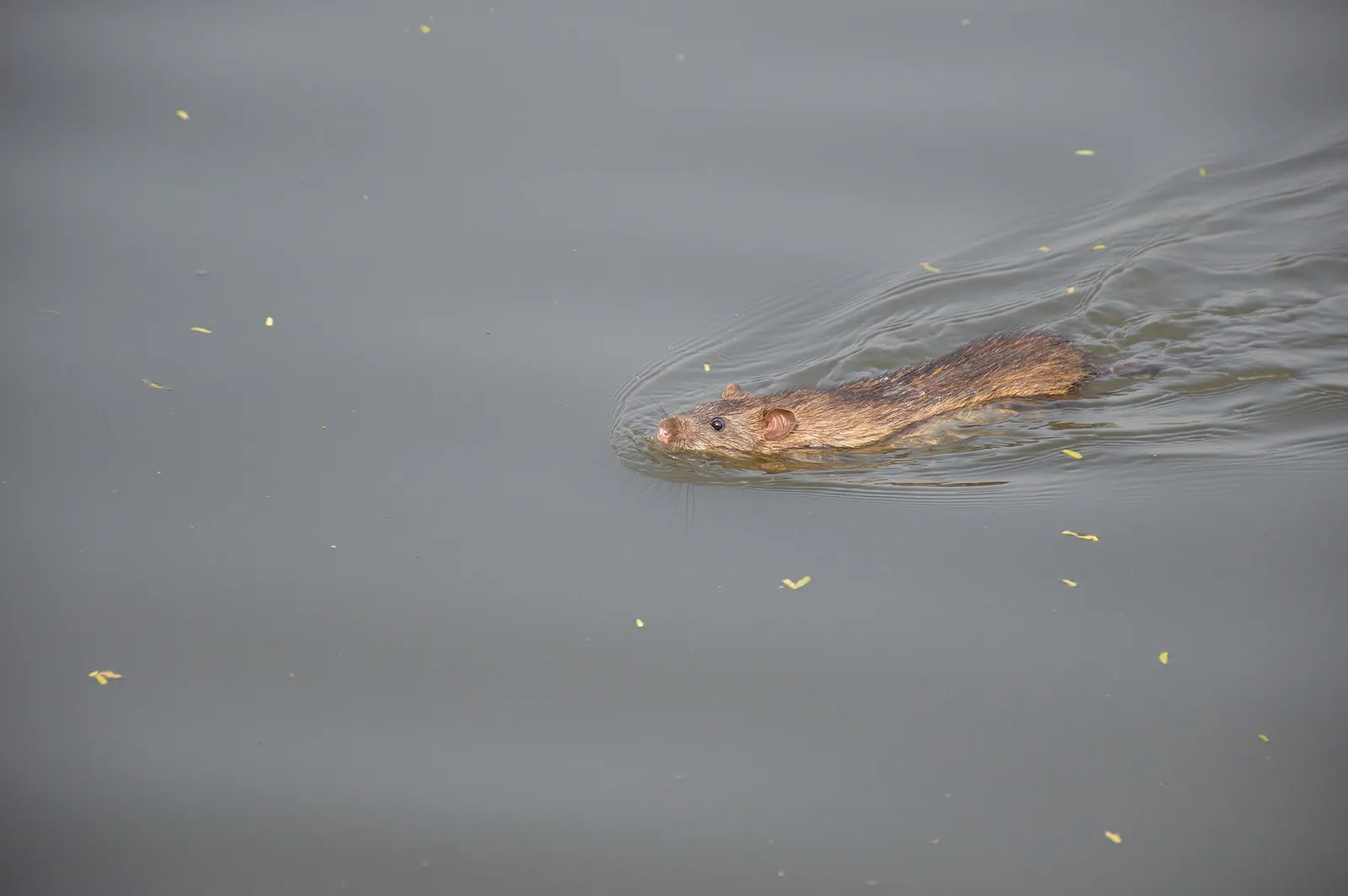
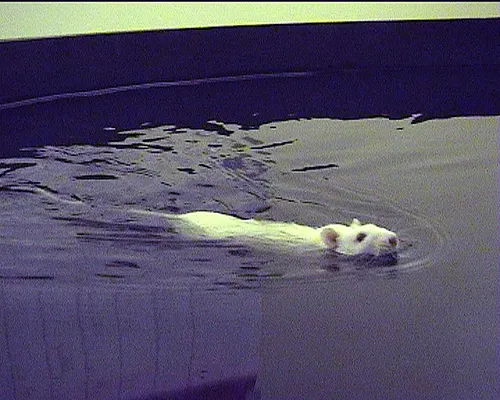
The idea is beautifully simple. Put a rodent in a pool of opaque water, hide a small platform just under the surface, and let it learn where safety is from the room around it. Then take the platform away and watch where it searches.
This primer covers the protocol step by step, how to read a probe trial, and the pitfalls that catch even experienced labs. The research digest rounds up recent studies that used the maze, each rewritten from the original article and linked so you can read the full thing.
Explore
On this site
The protocol, step by step
A clear, step-by-step Morris water maze protocol for rats and mice, from set-up to probe trial.
Probe trials, explained
What a Morris water maze probe trial is, how to run it and how to score it.
Six classic water maze mistakes
Common mistakes in Morris water maze studies and how to avoid them.
The research digest
Recent studies that used the Morris water maze, each rewritten from the original article and linked, September to November 2026.
Watch
Morris water maze calibration in 30 seconds, with typical platform positions
Thirty seconds of calibration, plus the platform positions you'll see in most published studies.
Video from the HVS Image channel on YouTube. It's loaded in privacy-enhanced mode and only plays when you press play.
From the journals
This term's reading list
A few recent studies that put the maze to work. The full digest has many more.
A brain support cell that seems to set the body's pace of ageing
FGF13 falls with age in the brain's non-neuronal cells. Deleting it from astrocytes in ageing mice made their water maze performance worse and raised markers of senescence in organs from the skin to the kidney. Boosting it did the opposite: older mice swam the maze about as well as young ones, did better in the elevated plus maze and open field and showed lower IL-6 and IFN-gamma. The study, reported from Aging Cell, points to more autophagy via a partner protein called Phafin2.
Aging Cell
Read the original at Lifespan.ioTwo plant diterpenes tested against amyloid damage
Pseudolaric acids A and B shielded cultured PC12 cells from amyloid-beta-induced cell death and damped inflammation in stimulated microglia and macrophages. The team then moved to mice given aluminium chloride as an Alzheimer's-like model, where pseudolaric acid B improved spatial learning and memory in the Morris water maze. The authors say plainly that the signalling story still has to be confirmed in living animals.
Read the original at ACS Pharmacology & Translational ScienceToo much salt, and older mice lose their way
Twelve-month-old male mice ate chow with 8% salt or a normal 0.5% for two months, ten per group, with testers blinded. The salty group learned the water maze more slowly, with gaps opening on days four and five, and did worse on every probe measure: crossings, time over the old platform spot, distance and target-quadrant time. Swim speed and open-field behaviour didn't differ, which is exactly the control you want before calling it a memory effect. The authors link the deficit to more amyloid-beta and a mitochondrial clean-up response that tried, and failed, to keep up. Published in Frontiers in Neurology.
Frontiers in Neurology
Read the original at Bioengineer.org